
Teeth Scaling vs Polishing: Understanding Dental Care Differences
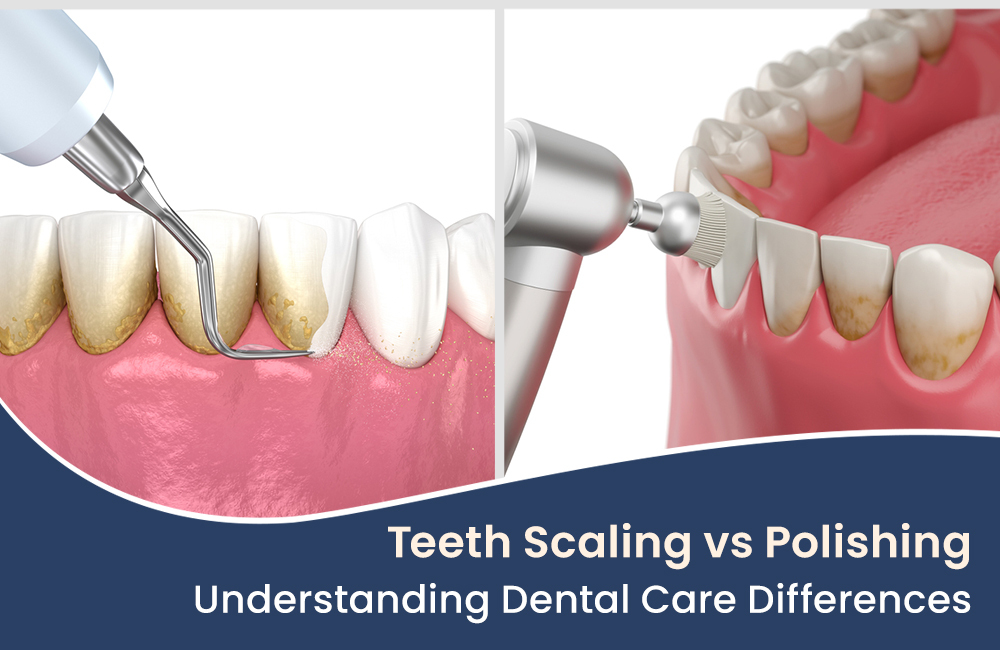
Let’s be honest, most people think a dental visit for cleaning is just a quick brush with fancy tools and is done. But professional dental cleaning and polishing is much more than that. It’s not just about making your teeth look nice; it’s about protecting your gums, preventing disease, and keeping your whole mouth healthy. When you visit us at Marigold Dental & Orthodontic Clinic, we don’t just “clean” teeth. We focus on plaque and tartar removal, gum protection, and giving you that fresh, smooth smile feeling you love. And this is where many patients ask: “Teeth scaling vs polishing: what’s the difference?” Great question. Let’s break it down in the simplest way. What Is Teeth Scaling? (Deep Cleaning for Your Gum Health) Think of teeth scaling as the health-saving part of your cleaning. Over time, soft plaque hardens into tartar (calculus). Once tartar forms, your toothbrush can’t remove it. That’s where scaling comes in. We carefully remove: This plaque and tartar removal is extremely important because tartar is one of the main causes of: Benefits of dental scaling Scaling doesn’t just clean your teeth, it protects your smile’s future: So yes, scaling is medical. It’s about health first. What Is Teeth Polishing? (The Smile Finishing Touch ) Now let’s talk about the part patients love, teeth polishing. After scaling, your teeth are clean, but polishing makes them feel super smooth and shiny. This step focuses on the surface of your teeth. Polishing helps:Remove surface stains from coffee, tea, and smoking.Smooth the enamelMake it harder for plaque to stick again.It doesn’t replace Teeth Whitening, but it does make your teeth look brighter and cleaner instantly read more on whether scaling and polishing whitens teeth. Think of it as the glow-up step after the deep clean. What Is the Difference Between Dental Cleaning and Dental Polishing? This is where confusion happens. So when people say ‘cleaning,’ they often mean both, but technically, they are two distinct parts of a single procedure. Dental Polishing vs Dental Cleaning Let’s make it super simple: Feature Dental Cleaning (Scaling) Dental Polishing Main Goal Remove tartar & bacteria Remove stains & smooth teeth Focus Gum and tooth health Appearance and comfort Depth Above and below gums Surface only Feeling After Healthier gums Smoother, shinier teeth When people search Teeth scaling vs polishing, this is the core difference. Do You Need Scaling Without Polishing? Or Both? Great question, and we hear it daily. The best approach? Both together. At our clinic, we evaluate your gum condition, tartar buildup, and staining to decide the right combination. That’s how we provide the Best Teeth Scaling and polishing in Abu Dhabi, personalized, not one-size-fits-all. Is Teeth Scaling or Polishing Painful? This is one of the most searched questions: Is teeth scaling painful? Good news, most patients find it comfortable. You might feel: Polishing, on the other hand, usually feels smooth and easy. We use gentle techniques and modern tools at Marigold to keep you relaxed. Your comfort matters as much as your smile. How Often Should You Get Scaling and Polishing? For most people, every 6 months is ideal see our full breakdown of how often you need scaling and polishing for specific situations.You may need it more often if you:SmokeHave gum issuesWear bracesGet tartar buildup quickly. Regular visits mean smaller problems, easier treatment, and healthier gums. Benefits of Regular Scaling & Polishing Let’s talk about the real magic that happens when you don’t skip your professional cleanings. Regular scaling and polishing isn’t just a “nice-to-have,” it’s one of the smartest things you can do for your smile and overall oral hygiene. Here’s what you gain when you stay consistent: Healthier Gums Regular scaling removes bacteria that irritate your gums, reducing swelling and bleeding. This helps prevent gum disease and keeps your gum tissue strong. Effective Plaque and Tartar Removal Professional cleaning clears hardened tartar that your toothbrush cannot remove. It protects teeth from decay and long-term damage. Brighter, Cleaner-Looking Teeth Polishing removes surface stains from food, drinks, and smoking. Your teeth look smoother, shinier, and naturally brighter. Fresher Breath Cleaning eliminates odor-causing bacteria and trapped food particles. You enjoy a fresh, clean feeling that lasts. Cavity Prevention Removing plaque lowers the risk of tooth decay and enamel damage. It makes it harder for bacteria to stick again. Early Detection of Dental Problems During cleaning visits, small issues such as cavities and gum concerns can be detected early. Early care prevents bigger treatments later. Improved Overall Oral Hygiene After professional cleaning, your brushing and flossing work more effectively. Smooth tooth surfaces attract less plaque buildup. Long-Term Smile Protection Regular scaling and polishing help you keep your natural teeth longer. They protect your smile and reduce the need for complex procedures. Why Choose Marigold Dental & Orthodontic Clinic for Teeth Cleaning in Abu Dhabi At Marigold Dental & Orthodontic Clinic, we believe your smile deserves care that’s both gentle and effective. When it comes to the best dental cleaning in Abu Dhabi, we blend advanced techniques with a warm, friendly approach so every visit feels comfortable and personalized. We focus on plaque and tartar removal using modern tools that are designed to protect your teeth and gums with precision. Our experienced dental team takes time to understand your needs, explains each step clearly, and ensures you feel relaxed throughout your teeth scaling vs. polishing treatment. We don’t just clean, we educate you on how to maintain oral health at home and prevent future issues. This patient-first mindset has made us a trusted choice for those seeking the best teeth scaling and polishing in Abu Dhabi. With us, your dental visit becomes more than a routine appointment; it’s a step toward long-lasting oral wellness and confidence in every smile. Healthy Teeth, Brighter Smile, Better Confidence Here’s the takeaway: Together, they keep your mouth clean, fresh, and disease-free. If it’s been a while since your last visit, your smile might be asking for help, and we’re here for you at Marigold Dental
How Advanced Root Canal Treatments Are Improving Patient Experience
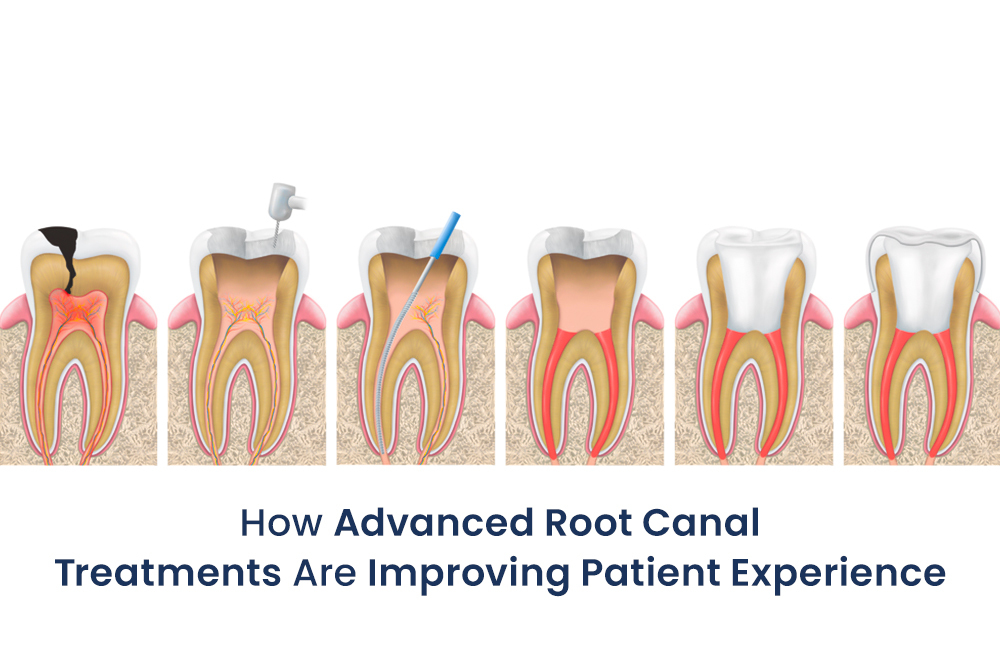
Be honest: when you hear the words “root canal,” your brain probably whispers: pain… long procedure… scary dental visit. You’re not alone. For years, root canals had a bad reputation. But here’s the truth we want you to know: modern root canal treatment is completely different from what people remember. Today, with advanced technology, Laser Dentistry, and precision tools, the procedure is smoother, faster, and far more comfortable. In fact, many of our patients at Marigold Dental & Orthodontic Clinic are surprised by how easy it feels. If you’ve been delaying treatment out of fear, this blog is for you. Why Root Canal Treatment Is Needed in the First Place Your tooth isn’t just a hard surface; inside it is soft tissue called pulp that contains nerves and blood vessels. When that inner part becomes infected or inflamed, your tooth sends warning signals. Common signs you need a root canal treatment include: A root canal doesn’t “remove” your tooth; it removes infection while saving your natural tooth, which is always our priority. The Old Root Canal Experience (What Patients Used to Fear) Years ago, dental tools and imaging were limited. Treatment took longer, dentists had less visibility inside the tooth, and recovery could feel uncomfortable. That’s where the fear came from. But dentistry didn’t stay there, and neither did root canal treatment. Advanced Technology That Makes Root Canal Treatment Easier Modern root canal therapy is powered by precision technology that improves comfort, speed, and success. 1.Digital Imaging & 3D Precision We use advanced digital X-rays that provide a clear view of the infection while exposing you to much less radiation than traditional methods. Accurate diagnosis means more efficient treatment. 2.Microscopic Root Canal Treatment One of the biggest breakthroughs is microscopic root canal treatment. With dental microscopes, we see tiny root canals and hidden infections that older methods could miss. This means: 3.Rotary Instruments Instead of manual tools, modern rotary systems clean the canals faster and more smoothly. That means shorter appointments and a gentler experience. 4.Electronic Apex Locators These help us measure the exact root length, ensuring precise treatment without unnecessary irritation. 5.Laser Dentistry Laser Dentistry helps disinfect canals more effectively and with less tissue trauma. It’s minimally invasive, reduces bacteria, and supports faster healing. Technology is why Painless root canal treatment in Abu Dhabi is now a reality, not just a promise. How Modern Root Canal Treatment Reduces Pain Here’s what surprises most patients: the procedure itself is usually not painful. With advanced anesthesia techniques and gentle tools, modern root canals feel similar to getting a filling. Because we’re treating the infection, many patients actually feel relief once the procedure is done. Benefits include: Pain is usually from the infection the treatment helps stop it. Fewer Appointments, Faster Recovery Another big improvement? Time. Thanks to advanced technology: You can usually return to normal activities quickly, with only mild tenderness that fades in a few days. Better Infection Control & Safety Modern materials and techniques create a strong seal inside the tooth after cleaning, preventing bacteria from returning. Combined with advanced sterilization and disinfection systems, this significantly improves long-term outcomes. Your safety and long-term tooth health are always our priority. A More Comfortable Patient Experience at Marigold Dental & Orthodontic Clinic At Marigold, technology is only part of the story. The experience matters just as much. We believe dental care should feel calm, clear, and reassuring from the moment you walk in. That’s why we take time to explain every step of your treatment so you always know what’s happening and feel in control. Our approach is gentle and patient-first, focused on reducing anxiety and making procedures as comfortable as possible. From our calm, clinical environment to our skilled dentists trained in modern endodontics, everything is designed to support your comfort and confidence. Whether it’s an adult procedure or Pediatric Root Canal care for a child, we adapt every treatment to ensure a smooth, supportive, and stress-free experience. We don’t just treat teeth, we care for people. Signs You Should Not Delay Root Canal Treatment Your tooth usually gives you warning signs before a small problem turns into a serious infection. The key is not to ignore them. Recognizing the signs you need a root canal treatment early can help save your natural tooth and prevent bigger, more painful issues. Here’s what your mouth might be trying to tell you: Persistent Tooth Pain Ongoing or throbbing pain is one of the clearest signs of infection inside the tooth. If pain doesn’t fade or keeps returning, the nerve may be severely inflamed. Sensitivity to Hot or Cold That Lingers If sipping something hot or cold causes sharp pain that stays even after you stop, the tooth nerve may be damaged. This often indicates the need for root canal care. Pain While Chewing or Biting Discomfort when you chew or apply pressure can indicate that the infection has reached the root area. Your tooth may feel tender or weak during normal eating. Swollen or Tender Gums Swelling around one tooth is your body’s reaction to infection. The area may look red, feel sore, or appear slightly raised. A Small Bump on the Gums A pimple-like bump near the painful tooth can be a dental abscess. This is a serious sign that infection needs immediate treatment. Tooth Discoloration A tooth turning gray or darker than the others may mean the inner tissue is damaged. This often happens when the nerve is no longer healthy. Bad Taste or Persistent Bad Breath An infection inside the tooth can release bacteria and pus, causing an unpleasant taste or odor. If brushing doesn’t help, it’s time for a dental check. Why You Shouldn’t Wait Delaying treatment can lead to: The sooner you act, the simpler and more comfortable the treatment usually is. Modern care enables treating infections while saving your tooth and protecting your overall oral health. The Biggest Benefit — Saving Your Natural Tooth When comparing the Benefits of saving a natural tooth vs extraction,
How Dental Sedation Is Used in Pediatric Dentistry
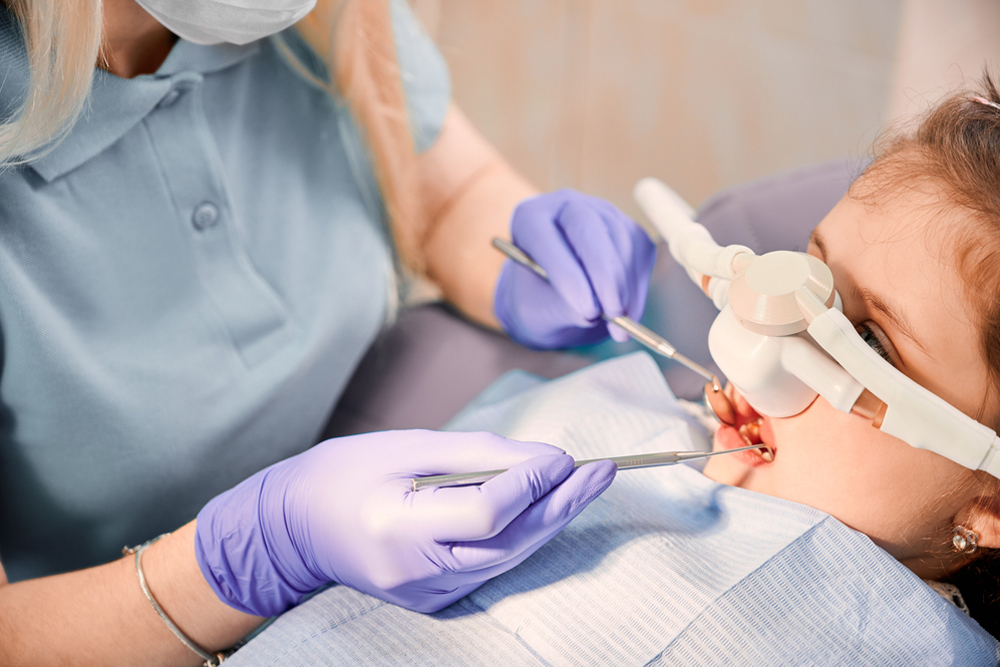
If you’re a parent, you already know this moment:The word “dentist” comes up, and suddenly your child looks worried, nervous, or flat-out scared. At Marigold Dental & Orthodontic Clinic, we meet families like yours every single day. Parents who care deeply about their child’s pediatric oral health, but feel anxious about tears, fear, or discomfort during dental visits. Here’s the good news: pediatric dental sedation has transformed the way kids experience dental care. Today, pediatric dentistry is no longer about fear; it’s about comfort, trust, and positive memories. Let’s talk openly about how sedation options for kids work, when they’re used, and why they help children feel safe, relaxed, and confident in the dental chair. What Is Dental Sedation in Pediatric Dentistry? In simple words, dental sedation helps children feel calm and relaxed during dental treatment. In pediatric dentistry, sedation is carefully used to: Sedation does not always mean your child is asleep. In fact, most sedation options for kids keep them awake, relaxed, and responsive, just without fear or stress. At our pediatric dental clinic in Abu Dhabi, sedation is always customized based on your child’s: Why Dental Sedation Is Important for Children Some children walk into a dental clinic smiling. Others? Not so much, and that’s completely normal. Pediatric dental sedation becomes important when: Dental fear, if ignored, can lead to: Sedation allows us to provide gentle pediatric dental treatment while protecting your child’s emotional well-being. Types of Dental Sedation Used for Kids At Marigold, we only use safe, evidence-based sedation options for kids. Here’s what parents should know: 1. Nitrous Oxide (Laughing Gas) This is the most common sedation in kids dental care. It’s ideal for: Children remain awake, relaxed, and responsive throughout. 2. Oral Sedation Oral sedation involves medication taken before the appointment. Your child may feel sleepy, but they’re still able to respond and breathe normally. 3. Advanced Sedation (When Medically Appropriate) For complex pediatric dental services, deeper sedation may be recommended. This option is carefully discussed with parents in advance. Is Dental Sedation Safe for Children? This is one of the most common questions we hear, and rightly so. The answer is yes, when administered by a trained pediatric dentist following proper guidelines. At Marigold: Your child’s safety is never compromised. When Does a Child Need Dental Sedation? Not every child needs sedation, and that’s okay. Sedation is recommended when: The goal is not convenience, it’s compassionate, effective pediatric dental treatment. What Parents Can Expect Before, During, and After Sedation We believe informed parents feel confident. Here’s what the journey looks like: Before the Appointment During the Procedure After the Procedure Most children leave feeling relaxed and surprisingly proud of themselves. Benefits of Choosing Pediatric Sedation Dentistry at Marigold When parents choose us, they’re choosing more than a clinic, they’re choosing peace of mind. Benefits include: Our pediatric dental services focus on prevention, comfort, and trust because healthy smiles begin with happy visits. Common Myths About Dental Sedation for Kids Let’s clear up a few misconceptions: Fact: Pediatric dental sedation is safe when provided by a trained pediatric dentist using proper guidelines. Fact: Even simple pediatric dental treatments can benefit anxious children. Fact: Most sedation options for kids keep children awake, calm, and relaxed. Fact: Sedation helps reduce children’s dental anxiety and creates positive dental experiences. Fact: Effects are temporary and wear off quickly under professional care. How Sedation Helps Build Positive Dental Habits Early One calm visit can change everything. Children who experience stress-free care are more likely to: Sedation isn’t just about today, it’s about shaping healthy habits for years to come. Why Parents in Abu Dhabi Trust Marigold Dental & Orthodontic Clinic We know that selecting the right dentist for your child goes far beyond routine dental care.It’s about feeling confident in the hands caring for your child, experiencing kindness at every visit, and knowing your little one feels calm and secure from start to finish. That’s why families throughout Abu Dhabi continue to place their trust in Marigold Dental & Orthodontic Clinic. What makes our clinic stand out? One of the most meaningful things parents often tell us is:“My child finally feels relaxed at the dentist.” When children walk in with confidence and leave with a smile, we know we’re creating the right experience. If you’re looking for the Best pediatric dentist in Abu Dhabi, you’ll find that at Marigold, your child’s comfort is always our priority. Because positive dental visits today help build strong, healthy smiles for the future. Book a Stress-Free Dental Visit for Your Child You shouldn’t have to compromise between gentle care and high-quality treatment. At Marigold, you get both. We offer modern, compassionate pediatric dentistry designed to support your child at every stage of their dental journey. Whether it’s a routine dental checkup or learning more about sedation options for kids, our team is always here for you. At Marigold, we don’t just focus on teeth; we care deeply about little smiles and the big emotions behind them.
Visit to the Dentist: Top 7 Clear Signs You Need a Checkup
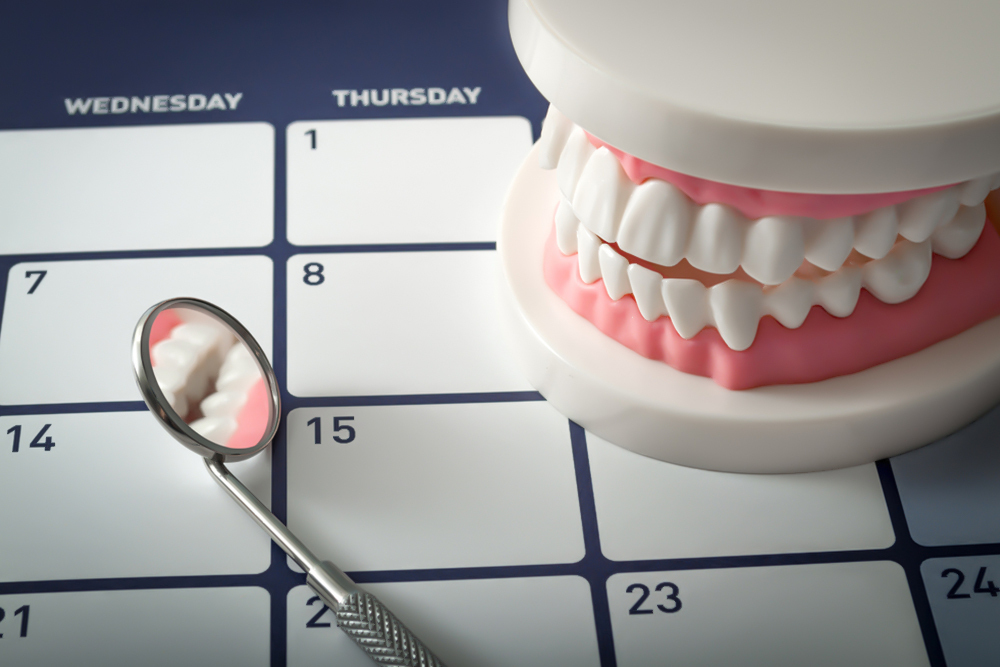
Let’s be honest, most of us don’t rush to book a visit to the dentist unless something hurts. Life gets busy, pain comes and goes, and dental visits often get pushed to the “later” list. But here’s the truth we want you to know: many dental problems start silently, long before pain shows up. At Marigold Dental & Orthodontic Clinic, we see this every day. Patients often say, “I wish I had come earlier.” That’s exactly why we’re sharing this guide to help you recognize the signs early and protect your smile before small issues turn into big treatments. So let’s talk directly, simply, and honestly about when your teeth and gums are asking for help. Why Regular Dental Checkups Matter A routine dental check isn’t just about cleaning teeth. It’s about prevention, early detection, and peace of mind. When you visit a Dental Clinic in Abu Dhabi regularly, we can: A dental checkup every six months helps us spot issues early, before they affect your comfort, appearance, or overall health. This applies to adults, seniors, and especially children. Top 7 Clear Signs You Need to Visit the Dentist If any of these sound familiar, your mouth is telling you it’s time. 1.Persistent Tooth Pain or Sensitivity A little sensitivity once in a while is normal. But ongoing tooth pain, sharp, dull, throbbing, or sudden, is not. Pain may indicate: Pain doesn’t always mean the problem is severe, but ignoring it often makes it worse. A quick dental checkup can prevent pain from escalating into root canal treatment or tooth loss. 2.Bleeding, Swollen, or Tender Gums Bleeding gums are one of the most common gum disease symptoms, and they’re often overlooked. If your gums: These are early warning signs of gum disease. Left untreated, gum disease can lead to tooth loss and even affect your overall health. Regular visits to the Best Dentist in Abu Dhabi can help reverse early-stage gum issues before permanent damage occurs. 3.Bad Breath That Doesn’t Go Away Persistent bad breath isn’t just embarrassing; it’s often a sign of underlying dental issues. Chronic bad breath may be caused by: Professional cleaning during a routine dental check in Abu Dhabi removes bacteria that brushing alone can’t reach. 4.Loose Teeth or Changes in Your Bite Adult teeth should never feel loose. If they do, it’s often related to advanced gum disease or bone loss. You might notice: These issues won’t fix themselves. Early diagnosis during a family dental checkup can protect your teeth and prevent long-term complications. 5.Mouth Sores or Ulcers That Don’t Heal Occasional mouth ulcers are common. But sores that last longer than two weeks need attention. This could signal: A timely visit to the dentist ensures nothing serious is overlooked. 6.Jaw Pain, Clicking, or Difficulty Opening Your Mouth Jaw discomfort, popping sounds, or stiffness may indicate TMJ disorders or bite problems. If chewing feels uncomfortable or painful, don’t ignore it. Early intervention during a regular dental check-up in Abu Dhabi can prevent chronic jaw pain and headaches. 7.It’s Been More Than 6 Months Since Your Last Visit Even if everything feels “fine,” dental problems often develop quietly. Cavities, gum disease, and enamel erosion can progress without pain. That’s why dentists recommend a routine dental check every six months, even when nothing hurts. Dental Issues in Children: Don’t Miss the Early Signs Children often can’t clearly explain dental discomfort, which is why early checkups matter so much. Watch for: A positive first dental visit for child builds confidence and prevents fear later in life. At Marigold, we’re proud to be an affordable pediatric dental clinic where kids feel safe, comfortable, and cared for. Regular checkups help prevent tooth decay in kids and establish healthy habits that last a lifetime. What to Expect During a Dental Checkup at Marigold When you visit Marigold Dental & Orthodontic Clinic, we keep things simple, comfortable, and transparent. Your dental checkup includes: Whether it’s your first visit or a routine dental check, we explain everything clearly, no pressure, no confusion. Why Choose Marigold Dental & Orthodontic Clinic in Abu Dhabi We believe dentistry should feel reassuring, not stressful. Patients choose us because we offer: If you’re searching for the Best Dental Clinic in Abu Dhabi, a trusted Dental Clinic, or the Best Dentist in Abu Dhabi, we’re here for you and your whole family. Book Your Dental Checkup Today Your smile deserves timely care before small issues turn into painful dental problems. Whether you’re due for a routine dental check, experiencing tooth pain, or noticing gum disease symptoms, we’re here to help. At Marigold Dental & Orthodontic Clinic, we make your dental visit comfortable, clear, and stress-free for adults and children alike. Why book now? Looking after the whole family? Ask about our family dental checkup and child-friendly care, perfect for a first dental visit for child at an affordable pediatric dental clinic. Book your dental checkup today at Marigold Dental & Orthodontic Clinic in Abu Dhabi Because preventive care today means a healthier, happier smile tomorrow.
Dental Night Guards: The Ultimate Guide for Teeth Grinding and TMJ Relief
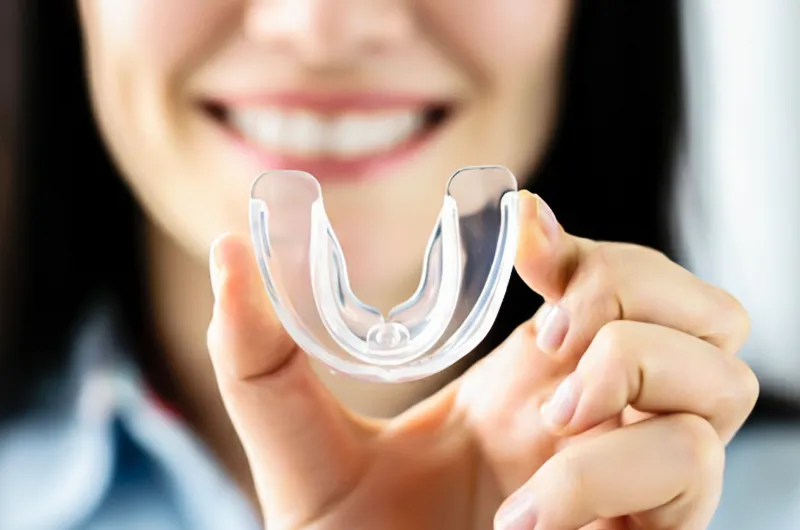
Do you wake up with a sore jaw, tension headaches, or teeth that feel tender for no clear reason? You may be grinding or clenching your teeth at night, and you might not even know it. At Marigold Dental and Orthodontic Clinic, we hear the same questions every day: If you have these questions, you’re in the right place. The truth: you deserve restful sleep and pain-free mornings. A night guard or mouth guard for teeth grinding can reduce jaw soreness, protect your teeth from wear, and help minimize tension headaches. It’s a simple, effective shield that protects your teeth, relaxes your jaw, and helps prevent TMJ problems. Today, we’ll guide you through what you need to know in the simplest, friendliest way. What Is a Dental Night Guard? Think of a dental night guard as a small, protective shield you wear while sleeping. It sits comfortably between your upper and lower teeth, preventing your jaw from grinding, clenching, and damaging itself during the night. While you’ll find many over-the-counter versions, nothing compares to a professionally designed, dentist-approved guard. With a dentist’s expertise, a custom teeth guard fits perfectly, feels natural, and provides maximum protection. Why Do People Grind Their Teeth? You’d be surprised how many people grind without even knowing it. It’s your body’s silent reaction to stress, anxiety, misaligned teeth, sleep issues, or even certain lifestyle habits. Some people grind their teeth so hard that they chip their teeth without realizing it. Others develop jaw pain or stiffness that lingers throughout the day. And many experience TMJ problems, in which the jaw joint becomes inflamed or strained from constant clenching. No matter the reason, one thing is clear: untreated grinding always gets worse. Signs You Might Need a Mouth Guard for Teeth Grinding Here’s where we want you to pay attention. If you’re experiencing any of these, a teeth guard could change everything: These aren’t random symptoms; they’re flashing warning signs from your body. Night Guard and TMJ: How It Helps Now, the big question: do mouth guards help TMJ?Yes absolutely. A well-made night guard for TMJ works like a cushion. It prevents your teeth from locking together, reduces pressure on the jaw joint, and relaxes the muscles around it. For many patients, using a night guard leads to: If TMJ discomfort has been affecting your daily life, a night guard may be the first step toward relief. Types of Night Guards for Sleeping Not all night guards are created equal. Here are the most common types: This option gives you the best comfort, the longest durability, and the highest protection. If you also experience snoring, an anti-snoring mouth guard may help open your airway and improve breathing while you sleep. And yes, if you wear braces, we can design a braces sleeping mouth guard that keeps your teeth safe without interfering with your orthodontic progress. What Is the Best Nighttime Mouth Guard? Let’s keep it simple.The best nighttime mouth guard is the one that fits YOU perfectly. Store-bought guards are generic. You trim them, boil them, bite them, and hope they’ll fit. But a custom guard, crafted professionally, matches your exact bite and jaw position. That means: When your night guard fits well, you’re far more likely to use it every night, and consistency is where the real healing happens. Why a Night Guard Is a Smart Investment Here’s something we want every patient to understand: a mouth guard for sleeping is not a luxury. It’s a long-term investment in your oral health. A night guard helps you avoid: Imagine waking up feeling refreshed, not exhausted. Imagine enjoying meals without jaw stiffness. Imagine smiling without worrying about worn-down teeth.That’s what a night guard does: it protects your future smile. How Marigold Dental and Orthodontic Clinic Helps You At Marigold Dental and Orthodontic Clinic, we don’t just hand you a night guard; we create a personalized solution tailored to your symptoms, lifestyle, bite, and comfort level. Here’s how we help: Our goal is simple: we want you to sleep better, feel better, and protect your smile for years to come. Don’t Let Grinding Win—Take Control of Your Nights Today If you’ve been waking up tired, sore, or frustrated, it’s time to take the next step. Nighttime grinding doesn’t go away on its own, but the right night guard can transform your sleep and your smile. We’re here to help you every step of the way.Let’s protect your teeth, relieve your TMJ, and bring comfort back into your nights. Book your consultation at Marigold Dental and Orthodontic Clinic today, your jaw will thank you tomorrow.
What Can You Eat After Teeth Whitening: Complete White Food Diet Guide

Have you ever noticed how confident you feel right after a fresh teeth whitening session? Your smile suddenly looks brighter, cleaner, and picture-perfect. But right after whitening, your teeth are at their most delicate. They’re like tiny open pores ready to absorb anything they touch. And that’s where your post-whitening diet becomes incredibly important. At Marigold Dental and Orthodontic Clinic, we know that the question on your mind is always the same: “What can you eat after teeth whitening?” Don’t worry, today we’re walking you through a complete, easy-to-follow white-food diet teeth-whitening guide so you can maintain your bright smile without stress. (If you’re also curious about the process itself, check out some common teeth whitening myths first.) Let’s walk through the complete white food diet teeth whitening guide step-by-step. Why Your Post-Whitening Diet Matters Imagine your teeth as a brand-new white shirt. The moment you spill tea or curry on it, it stains instantly. Your freshly whitened teeth react the same way. Right after whitening, the enamel becomes slightly porous, temporarily making your teeth more absorbent. During these hours, dark-colored foods and drinks can leave stains much faster than usual. That’s why what you eat right now directly affects how long your bright smile lasts. We’re here to help you choose safe foods, avoid the wrong ones, and protect that beautiful glow you just achieved. What Is the White Food Diet After Teeth Whitening? Think of the white food diet as your “safe zone.” It helps you stay stain-free while your enamel settles. The rule is simple:If it can stain a white T-shirt, it can stain your freshly whitened teeth. That’s why the white foods to eat after teeth whitening include light-colored, soft, gentle foods that won’t leave any pigmentation behind. This diet usually lasts for 24–48 hours. But trust us, it’s completely worth it! What Can You Eat After Teeth Whitening? (Safe White Food List) This is the part everyone loves: the list of foods you can eat after teeth whitening without worrying about stains. Here are your safe, smile-friendly picks These not only fit perfectly into the white food diet teeth whitening routine but also strengthen your enamel with calcium. They’re gentle on your teeth and stain-free. These staples help you stay full without risking discoloration. These are your foundation foods for a stain-free smile. What to Avoid When Whitening Teeth To protect that bright glow, avoid anything that is dark, acidic, or strongly pigmented — see our full list of foods that stain your teeth. Here’s what to skip Your whitening results depend heavily on skipping these for at least 24–48 hours. Tips to Protect Your Whitening Results A brighter smile isn’t just about what you eat; it’s about how you maintain it. Here’s how to make your results last longer: With just a few small habits, your smile can stay picture-perfect and bright. For more long-term habits that maintain your whitening results, check out our detailed guide. Why Choose Marigold Dental and Orthodontic Clinic for Teeth Whitening? At Marigold Dental and Orthodontic Clinic, your smile is our priority. As a patient-focused Dental Clinic, here’s why patients trust us: From consultation to aftercare, we make your whitening experience comfortable, simple, and effective. Enjoy Your Bright Smile Safely You’ve invested in your smile, now let’s protect it together. The white-food diet teeth whitening routine may seem simple, but it plays a huge role in keeping your teeth brighter for longer. Stick to light-colored foods, avoid strong staining agents, and let your enamel settle beautifully. And if you ever need help, advice, or a professional touch, we’re here for you at Marigold Dental and Orthodontic Clinic, your trusted Dental Clinic. Your brightest smile starts with the right choices, and today, you’re already making the Frequently Asked Questions How long should you follow the white food diet? You should follow it for 24–48 hours after whitening, this is when your enamel is most porous and sensitive to stains. Can I eat normally after 24–48 hours? Yes! After this period, your enamel begins to rehydrate, and you can slowly return to your normal diet. Can I drink coffee with a straw after teeth whitening? Yes, only if you must. A straw reduces contact with your front teeth, but it’s still best to avoid coffee for at least 24 hours. Can you eat after teeth whitening? Absolutely, just stick to the foods I can eat after teeth whitening listed above to keep your smile protected. Can I eat broccoli after teeth Whitening? Yes, but only steamed or cooked, without sauces. Avoid raw or heavily seasoned broccoli. Can I eat a banana after teeth whitening? Yes, bananas are one of the safest post-whitening fruits thanks to their pale color and soft texture.
What are the Different Types of Braces?
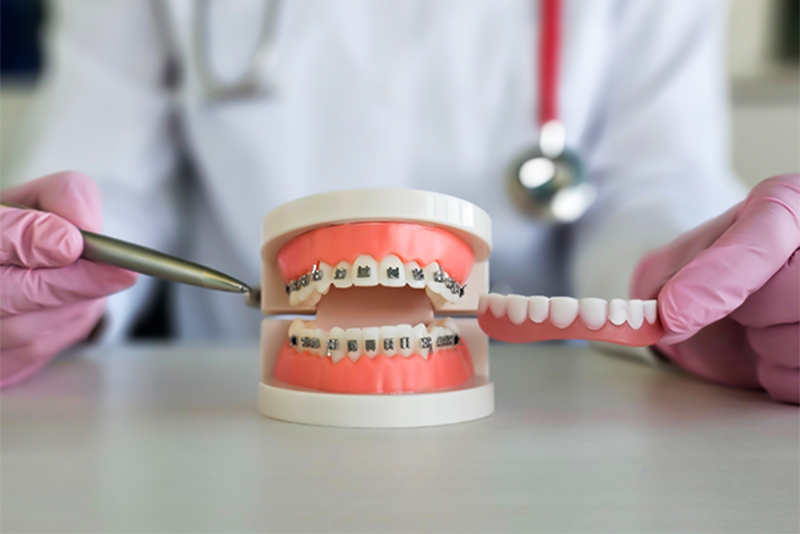
Have you ever smiled in the mirror and thought, “If only my teeth were a little straighter…”? You’re not alone, and the good news is that a dream smile is absolutely achievable. At Marigold Dental & Orthodontic Clinic, we believe every smile tells a story — and braces are simply a beautiful chapter in that story. Whether you’re a teen stepping into your first orthodontic journey or an adult ready to finally invest in yourself, knowing the different types of braces helps you make the best choice for your comfort, confidence, and lifestyle. So, if you’re wondering what the different types of braces are and which one’s best for you, you’re in the right place. Let’s walk through each type together so you can make a confident, informed choice for your smile journey. Why Braces Are Important for Your Oral Health Braces are much more than just a cosmetic fix — they’re like architects for your smile, carefully repositioning teeth to create balance, improve function, and enhance aesthetics. Here’s what properly aligned teeth can do for you: When you visit the Best dental clinic in Abu Dhabi, that’s us, Marigold Dental—we evaluate not only how your teeth look but also how they function, ensuring your treatment enhances both beauty and health. Different Types of Braces – Which One Is Right for You? Now let’s get to the exciting part: understanding the types of dental braces available today! Each has its own look, feel, and benefits, and we’ll help you find your perfect fit. Metal Braces (Traditional Silver Braces) – Classic and Reliable Classic. Reliable. Effective.These are the most common and time-tested types of dental braces. Made of high-quality stainless steel, metal braces (or silver braces) use brackets and wires to gently move your teeth into perfect alignment. Why you’ll love them: If you want a treatment that’s powerful, proven, and affordable, traditional braces may be your best choice. Ceramic Braces (Clear Braces) – Subtle and Stylish Think of ceramic braces as the stylish cousin of metal braces. They work the same way but use tooth-colored or clear brackets, making them far less noticeable. Why patients love them: However, they’re slightly more delicate than metal ones, so if aesthetics matter most to you, clear braces might be your ideal pick. Clear Aligners (Invisalign Braces) – The Invisible Choice Welcome to the modern era of orthodontics!Clear aligners, often known as Invisalign braces, are transparent trays custom-designed to fit snugly over your teeth. They’re virtually invisible and completely removable, meaning you can eat, brush, and smile freely without metal brackets or wires. Why you’ll love clear aligners: If you’re looking for transparent braces or invisible braces, this is the solution that lets you straighten your smile secretly. Lingual Braces – Hidden Behind Your Smile Now, this one’s a hidden gem, literally! Lingual braces are attached behind your teeth, making them completely invisible from the front. They work similarly to metal braces but are placed on the inner surface of your teeth. Why lingual braces are unique: They do take a bit of getting used to (especially with speech and tongue comfort at first), but many professionals love them for their invisibility and results. Self-Ligating Braces – Modern & Efficient If you’re someone who appreciates innovation, self-ligating braces might be your match. Instead of elastic bands, these braces use special clips or doors to hold the wire in place, allowing your teeth to move more freely. Why patients prefer them: They come in both metal and ceramic versions, offering a blend of performance and aesthetics. Comparing the Types of Dental Braces Let’s quickly compare the most popular types of braces to help you see which one fits your needs best: Type of Braces Visibility Comfort Maintenance Ideal For Metal Braces Visible (Silver) Moderate Easy Teens & complex cases Ceramic Braces Tooth-colored Comfortable Needs gentle care Adults & image-conscious patients Clear Aligners (Invisalign) Nearly Invisible Very Comfortable Easy Adults & professionals Lingual Braces Invisible (Behind teeth) Moderate Complex cleaning Professionals seeking discreet options Self-Ligating Braces Metal or Clear High comfort Easy Those wanting faster, efficient treatment Each option has its advantages, and during your consultation, we’ll recommend the option that best suits you based on your dental needs, budget, and personal preferences. Still unsure which braces are right for you? Visit Marigold Dental & Orthodontic Clinic — Abu Dhabi’s trusted destination for modern orthodontic care. How to Choose the Right Type of Braces The right braces depend on your lifestyle, aesthetic preferences, and treatment goals. Ask yourself: Don’t worry, you don’t have to decide alone. At Marigold Dental & Orthodontic Clinic, our experienced orthodontists evaluate your teeth, discuss your goals, and recommend the best option for your smile and confidence. Book your consultation today with the Best orthodontist in Abu Dhabi. Your journey to a confident smile starts with the right guidance. Why Choose Marigold Dental & Orthodontic Clinic for Dental Braces At Marigold Dental & Orthodontic Clinic, we’re more than just dental professionals; we’re your smile partners. Here’s why so many patients call us the Best dental clinic in Abu Dhabi: Conclusion – Begin Your Smile Journey Today Every beautiful smile begins with a single decision. You might choose metal braces, ceramic braces, clear aligners, or even lingual braces. No matter which option you choose, you gain a confident, healthy smile that lasts a lifetime. We’re here to guide you with honesty, expertise, and care. At Marigold Dental & Orthodontic Clinic, we’re proud to be known as the Best dental clinic and home to the Best orthodontist in Abu Dhabi, because we deliver personalized care, advanced treatments, and a welcoming atmosphere all focused on you and your smile. Ready to start your smile transformation?Book your consultation today with the Best orthodontist in Abu Dhabi, and let’s start your transformation because your perfect smile is just a decision away.
Periodontal (Gum) Disease: Causes, Symptoms & Treatment
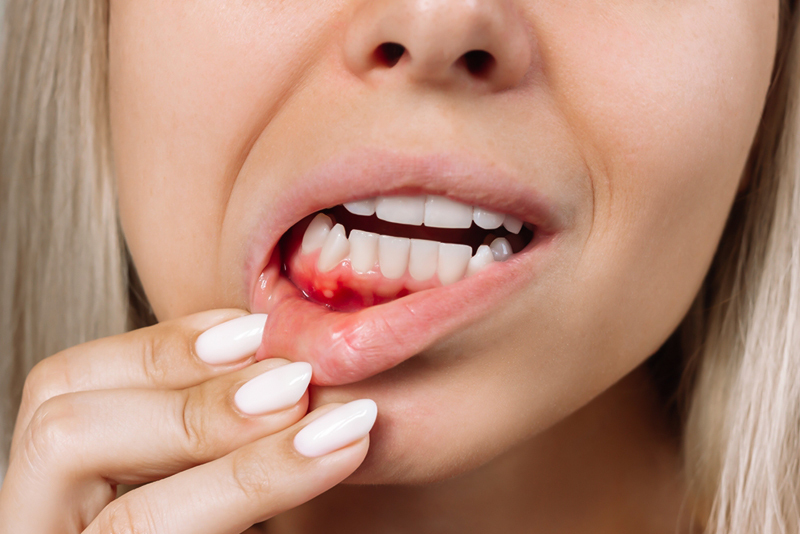
Ever wonder why dentists say, “Healthy gums, healthy smile”?It’s because your gums do more than just hold your teeth in place; they protect the bone underneath, keep bacteria away, and play a vital role in how confident your smile looks and feels. The word “periodontal” comes from the Greek “peri,” meaning “around,” and “odont,” meaning “tooth.” So, periodontal disease, or gum disease, refers to an infection of the tissues that surround and support your teeth. At Marigold, we believe every confident smile begins with healthy gums. Your gums aren’t just a frame for your teeth; they’re the foundation of your oral health. When they’re strong, your smile shines brighter, your breath stays fresh, and your confidence radiates. But when gum problems like bleeding gums, gum swelling, or tenderness start creeping in, it’s your mouth’s way of saying, “I need help.” That’s where our team of gum specialists steps in, providing expert gum disease treatment to protect your smile before small issues turn into serious ones. Let’s walk you through everything you need to know about periodontal disease (gum disease), what causes it, how to recognize it early, and the best gum treatment options to restore your gum health. What Exactly Is Periodontal (Gum) Disease? Think of gum disease as an infection that quietly develops under your gums. It begins when sticky plaque builds up along your gumline, that thin line where your gums meet your teeth. Over time, this plaque hardens into tartar, which bacteria love to call home. There are two main stages of gum disease: At Marigold Dental, our specialists detect and treat both stages early, ensuring your gums stay firm, pink, and healthy. The Hidden Triggers – What Causes Gum Disease? You might wonder: “Why do my gums keep getting infected even though I brush daily?”The truth is, gum disease can have several sneaky causes, so don’t be hard on yourself. These can include: Even stress can play a role — it can weaken your immune system, giving bacteria a better chance to thrive. Remember: you’re not alone if you face gum issues. The key is early prevention and professional cleaning before bacteria settle deep into your gums. Red Flags You Shouldn’t Ignore – Common Symptoms of Gum Disease Your gums often whisper before they scream. Recognizing early gum disease symptoms can help prevent irreversible damage. Here’s what to look for: If you notice even one of these signs, your gums may already be infected. Don’t worry, our gum infection treatment and periodontal gum treatment options can help reverse the damage and restore your gum health. From Gingivitis to Periodontitis – The Stages of Gum Disease Explained Gum disease progresses gradually, but it’s a journey we can stop together. At Marigold Dental, we provide advanced periodontal gum treatment to stop infection, heal gum tissue, and preserve your teeth — from non-surgical deep cleaning to regenerative therapies — all designed to restore and protect your smile. Expert Care That Heals – Gum Disease Treatment by a Specialist Periodontist When it comes to gum health, you deserve care from a specialist periodontist — someone trained to heal, restore, and protect your gums at every stage. At Marigold Dental & Orthodontic Clinic, our periodontal experts use advanced diagnostic tools and gentle, precise techniques to deliver effective gum disease treatment. Depending on your case, we may recommend: Your gums deserve expert hands, and that’s why patients across Abu Dhabi trust us for gum disease treatment by a specialist periodontist who truly cares. Take Charge at Home – Simple Habits for Healthy Gums Healthy gums start with what you do every day. Here’s how you can strengthen your gum health and prevent infection naturally: A few minutes of daily care can save you from major gum surgery or infection later. Prevention is always better and easier than a cure. Why Choose Marigold Dental & Orthodontic Clinic in Abu Dhabi? Choosing the Best Dental Clinic in Abu Dhabi means trusting a team that blends compassion with clinical excellence. At Marigold Dental, we don’t just treat your gums; we care for your overall well-being. Here’s why patients prefer us for periodontal disease care: Your smile is our priority, and we’re here to help you protect it for life. Final Word – Restore Confidence with Healthy Gums Your gums are the unsung heroes of your smile — strong, supportive, and vital for every word you speak and every bite you take. If you’ve been noticing bleeding, swelling, or persistent bad breath, don’t wait for things to worsen. Book your appointment today at Marigold Dental & Orthodontic Clinic — the Best Dental Clinic in Abu Dhabi for expert evaluation and gum disease treatment by a specialist periodontist. Together, we’ll restore your gum health, protect your teeth, and bring back that radiant, confident smile you deserve. Because at Marigold Dental, we don’t just treat teeth, we care for smiles that last a lifetime.
TMJ Disorder Explained – Causes, Symptoms, and Treatments

Have you experienced a clicking noise in your jaw while eating, yawning, or talking? Or maybe you’ve woken up with TMJ pain, headaches, or stiffness that won’t go away. If this sounds familiar, your temporomandibular joint (TMJ) might be trying to tell you something. Your TMJ is like a tiny hinge connecting your jaw to your skull, working hard every single day so you can eat, speak, and smile without thinking twice. But when something goes wrong, this can lead to temporomandibular joint disorder (also called temporomandibular joint dysfunction or TMD), making even simple activities like biting into your favorite sandwich or laughing with friends uncomfortable. At Marigold Dental & Orthodontic Clinic, the best dental clinic in Abu Dhabi, we understand how frustrating TMJ disorders can be. That’s why we’re here to explain what they are, what causes them, and how TMD treatment can help you get back to living pain-free. No complicated jargon, just clear, friendly advice. Because your smile and your comfort matter. What is Temporomandibular Joint (TMJ) Disorders? Your temporomandibular joint is the small hinge that connects your jaw to your skull, helping you talk, chew, and yawn. Temporomandibular disorder occurs when this joint or the surrounding muscles don’t work correctly, leading to pain, stiffness, clicking, or even the jaw getting “stuck.” This can be caused by stress, teeth grinding, jaw injuries, arthritis, or a misaligned bite. At Marigold Dental & Orthodontic Clinic, we offer TMJ disorder treatment in Abu Dhabi by identifying the root cause and creating a personalized treatment plan that brings lasting relief. Causes of TMJ Disorder TMJ disorders can develop for many reasons, including: At the best dental clinic in Abu Dhabi, we assess all possible factors so your TMD treatment addresses the real cause, not just the symptoms. Common TMJ Symptoms The signs of temporomandibular joint dysfunction (TMD) aren’t always limited to your jaw. Common Temporomandibular joint dysfunction (TMD) symptoms include: If these symptoms sound familiar, early diagnosis and TMJ disorder treatment can prevent them from getting worse. How TMJ Disorder is Diagnosed Diagnosing TMJ disorder starts with understanding your symptoms and checking how your jaw moves. At Marigold Dental & Orthodontic Clinic in Abu Dhabi, our process usually includes: This thorough approach helps us find the exact cause so we can create a treatment plan that works for you. Effective Treatments for TMJ Disorder TMJ disorder treatment varies depending on the cause and severity:1 1. At-Home Care 2. Non-Surgical Treatments 3. Surgical Options (only if necessary) Prevention Tips for TMJ Disorder While not all temporomandibular disorders can be avoided, you can lower your risk by: We not only treat TMJ disorders, but also help you protect your jaw long-term. Why Choose Marigold Dental Clinic for TMJ Care? When it comes to TMJ treatment, you want more than just temporary relief —you need expert care that targets the root cause. At the best dental clinic in Abu Dhabi, we offer: We don’t just treat your TMJ Pain, we help you get back to eating, speaking, and smiling without discomfort. When to See a Specialist at Marigold Don’t ignore jaw pain. The sooner you get it checked, the easier it is to treat. You should book a visit to Marigold Dental & Orthodontic Clinic in Abu Dhabi if you notice: Our experts in TMD treatment can help restore healthy, pain-free jaw movement. Conclusion A temporomandibular joint disorder can start as minor discomfort, but, left untreated, it can impact your quality of life. At Marigold Dental & Orthodontic Clinic in Abu Dhabi, we combine modern technology, skilled professionals, and personalized TMJ disorder treatment to bring you lasting relief. Take the first step toward a healthier, pain-free jaw. Book your consultation today with the Best Dental Clinic in Abu Dhabi.
What Are Dentures? Types, Care and Benefits
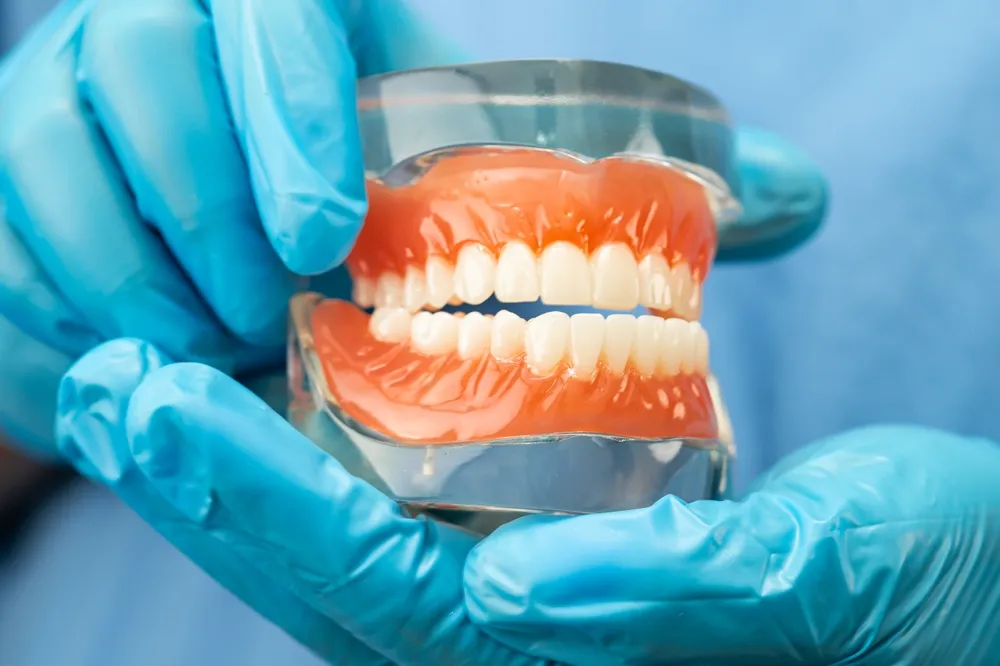
Have you ever noticed those silver or pink “tooth sets” your grandparents used after meals?Yep, we’re talking dentures, also known as false teeth! While they might have looked a bit old-school back in the day, dentures today are nothing like that. They’ve evolved into sleek, natural-looking, and comfortable artificial teeth that can truly change your life. Millions of people around the world rely on them daily, not just for looks, but for eating, speaking, and smiling confidently again. At Marigold Dental & Orthodontic Clinic, we’ve seen firsthand how dentures can completely transform lives. Whether you’ve lost a few teeth or all of them, teeth dentures in Abu Dhabi can bring back your natural, confident smile, the kind that lights up your whole face and makes you feel like yourself again. So, let’s talk about what dentures are, the different types available, how to care for them, and why they might just be the smile solution you’ve been searching for. What Are Dentures? Dentures are removable replacements for missing teeth and surrounding tissues. They’re designed to look and function like natural teeth, helping you speak clearly, eat comfortably, and smile confidently again. Think of them as a personalized solution; each set of false teeth is custom-designed to match the shape of your mouth, the tone of your gums, and even the brightness of your smile. Whether you’re exploring flexible dentures, complete dentures, or partial dentures, every design focuses on comfort, aesthetics, and function. Types of Dentures Dentures come in a few different styles, depending on how many teeth you need replaced and the condition of your gums and jawbone. Here’s a quick guide to help you understand the options: 1. Complete (Full) Dentures If you’ve lost all your teeth in your upper or lower jaw or both, complete dentures are the ideal solution. These full dentures restore your entire smile and help maintain your facial shape, preventing that “sunken” look that often happens when teeth are missing. They’re designed for a natural appearance and comfortable fit. 2. Partial Dentures If you still have some natural teeth, partial dentures fill in the gaps. They’re typically made with a metal or acrylic base that clasps onto your existing teeth for stability. Partial dentures not only complete your smile but also prevent your remaining teeth from shifting out of place, a common problem when gaps are left unfilled. They’re an excellent choice if you want a cost-effective and non-invasive way to restore both function and beauty. 3. Implant-Supported Dentures For a more permanent and stable option, implant-supported dentures are the gold standard. These artificial teeth are secured to dental implants placed in your jawbone, giving you unmatched stability and comfort. They don’t slip or move when you eat or speak, and they feel incredibly natural, almost like your original teeth. 4. Flexible Dentures If you’re looking for something lightweight and comfortable, flexible dentures are made from softer, bendable materials that adapt naturally to your mouth. They’re less likely to cause soreness and fit comfortably without metal clasps, making them a favorite for first-time denture wearers. 5. Flipper Denture A flipper denture is a temporary or interim denture used while waiting for permanent dentures or implants. It’s a simple, quick solution to replace one or a few missing teeth and restore your smile during the healing phase. When comparing interim vs immediate dentures, the main difference lies in timing; immediate dentures are placed right after extraction, while interim dentures are worn temporarily during recovery. Denture Care Tips: Keeping Them Fresh and Comfortable Just like natural teeth, teeth dentures need daily care to stay clean, fresh, and comfortable. Here’s how to maintain them: 1. Clean Them Daily Use a soft denture brush and mild cleanser to remove food particles and plaque. Avoid regular toothpaste, as it can be too abrasive for your artificial teeth. 2. Soak Overnight Place dentures in a cleaning solution or water when not in use. This keeps them moist and maintains their shape. 3. Handle with Care Dentures are delicate, so always clean them over a soft towel or a bowl of water just in case they slip. 4. Brush Your Gums and Tongue Even without natural teeth, brushing your gums keeps your mouth healthy and prevents irritation. 5. Regular Dental Visits Visit Marigold Dental & Orthodontic Clinic for routine checkups to ensure your dentures fit right and remain in good condition. Benefits of Dentures Wondering why dentures remain such a trusted tooth replacement option? Here are some of the biggest benefits — especially important when it comes to dentures and senior oral health: At Marigold Dental & Orthodontic Clinic, we believe everyone deserves to smile freely, and teeth dentures are one of the best ways to make that happen. When Should You Consider Getting Dentures? You might be surprised how many people could benefit from false teeth, but don’t realize it yet. Here are some signs that it might be time to consider removable dentures: If any of these sound familiar, it’s time for a consultation at Marigold Dental. Our specialists will assess your needs, explain your options, and recommend the best complete denture or partial denture for your lifestyle. Why Choose Marigold Dental & Orthodontic Clinic for Dentures in Abu Dhabi Your smile deserves the best care, and that’s exactly what we’re here to give you. At Marigold Dental & Orthodontic Clinic, we combine precision, technology, and artistry to design teeth dentures that look and feel completely natural. Our expert denturists craft personalized solutions for every patient, ensuring both comfort and confidence. Here’s what makes us stand out: Looking for Teeth Dentures in Abu Dhabi? Marigold Dental is your trusted partner for restoring your smile with comfort, confidence, and care. Conclusion: Smile Freely Again Your smile is one of the first things people notice, and you deserve to feel proud of it. Whether you need a few artificial teeth replaced or a complete denture, this simple solution can restore your comfort, function, and confidence. At Marigold Dental & Orthodontic Clinic, the best dental clinic in Abu Dhabi, we’re here to guide you every step