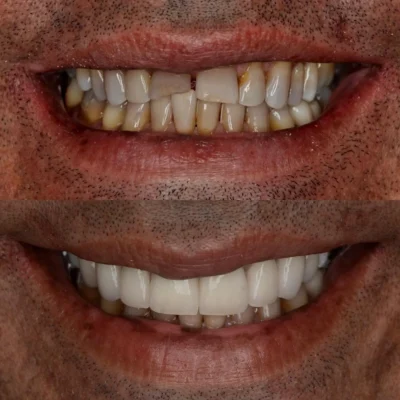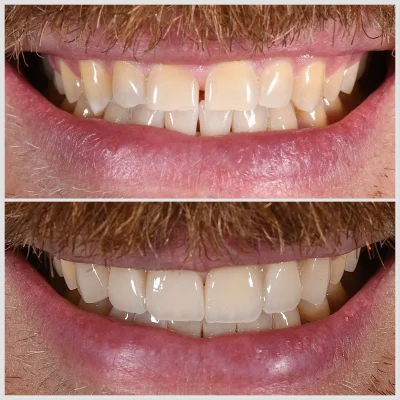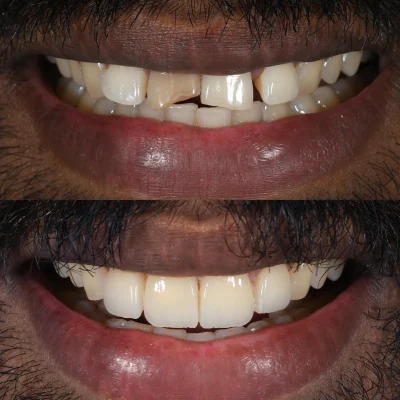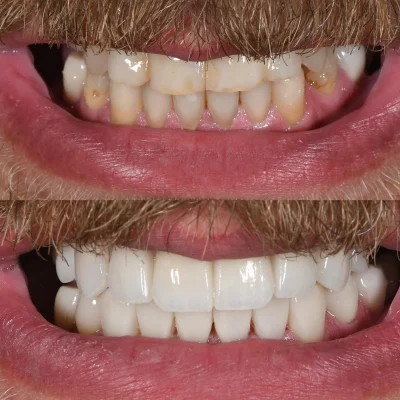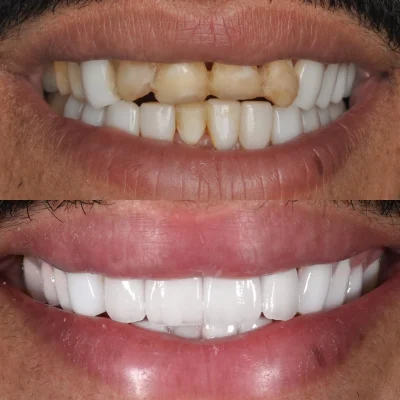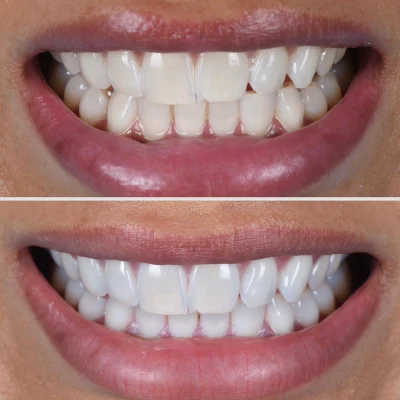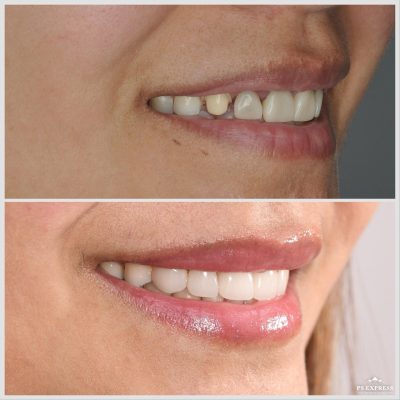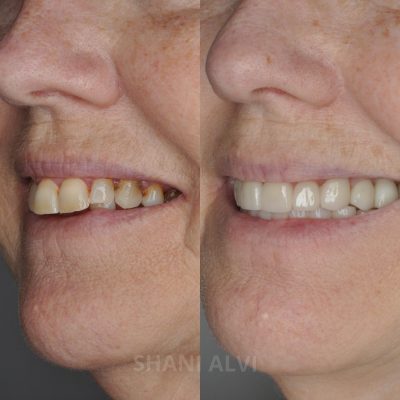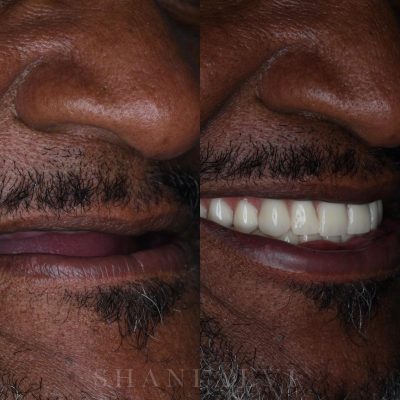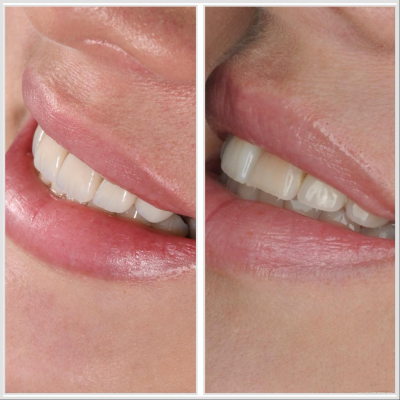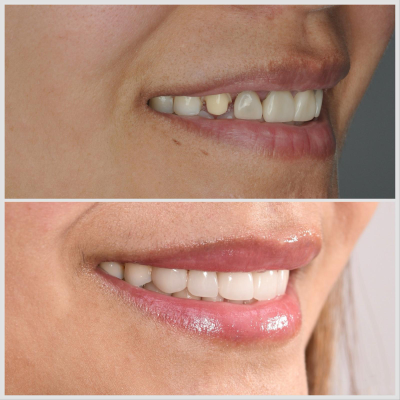
Cavities, fractures, and worn-down teeth can impact both your oral health and confidence. At Marigold Dental & Orthodontic Clinic, we offer high-quality dental fillings that not only restore the function of your teeth but also blend seamlessly with your natural smile.
Using advanced techniques and premium materials, our expert dentists ensure a comfortable, durable, and aesthetic solution for damaged teeth—giving you a healthier, more radiant smile.
Dental fillings are restorative materials used to repair minor to moderate tooth damage caused by decay, fractures, or wear. They restore strength, function, and aesthetics, preventing further deterioration and keeping your smile intact.
1. Examination & Diagnosis Your dentist will conduct a thorough examination, using digital X-rays if needed, to determine the extent of decay and the best filling material for you.
2. Numbing for Comfort: A local anesthetic is applied to ensure a pain-free experience throughout the procedure.
3. Removing Decay & Preparing the Tooth The damaged part of the tooth is gently removed, and the area is cleaned to prevent bacteria buildup.
4. Filling Placement: The chosen filling material is precisely applied in layers, shaped, and hardened using a special curing light for durability.
5. Final Shaping & Polishing: Once the filling is in place, it is carefully shaped to match your bite and polished for a smooth, natural finish.
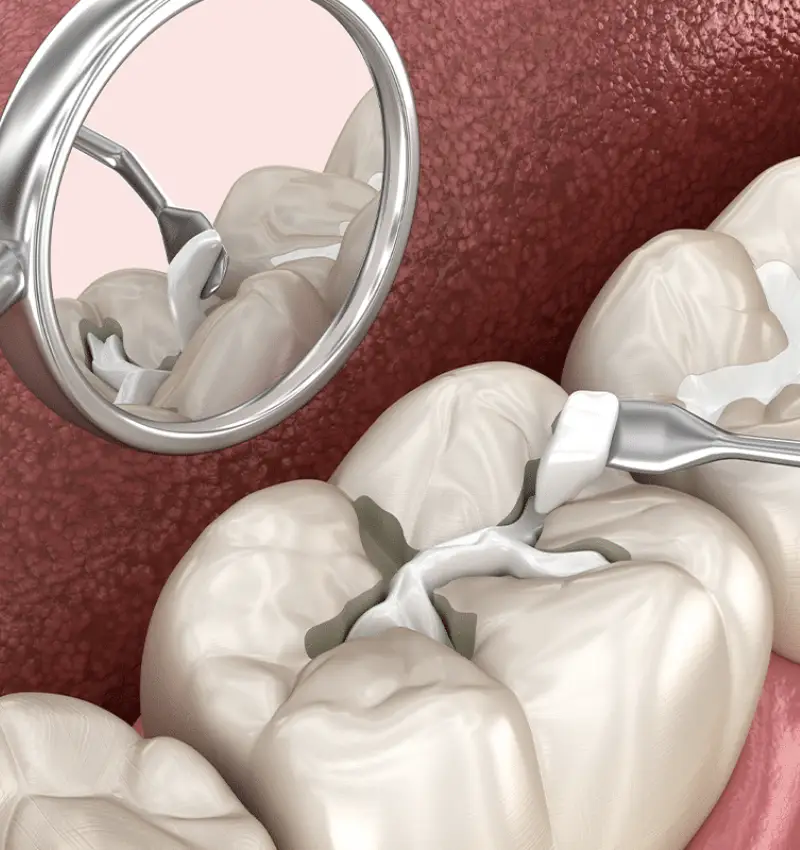
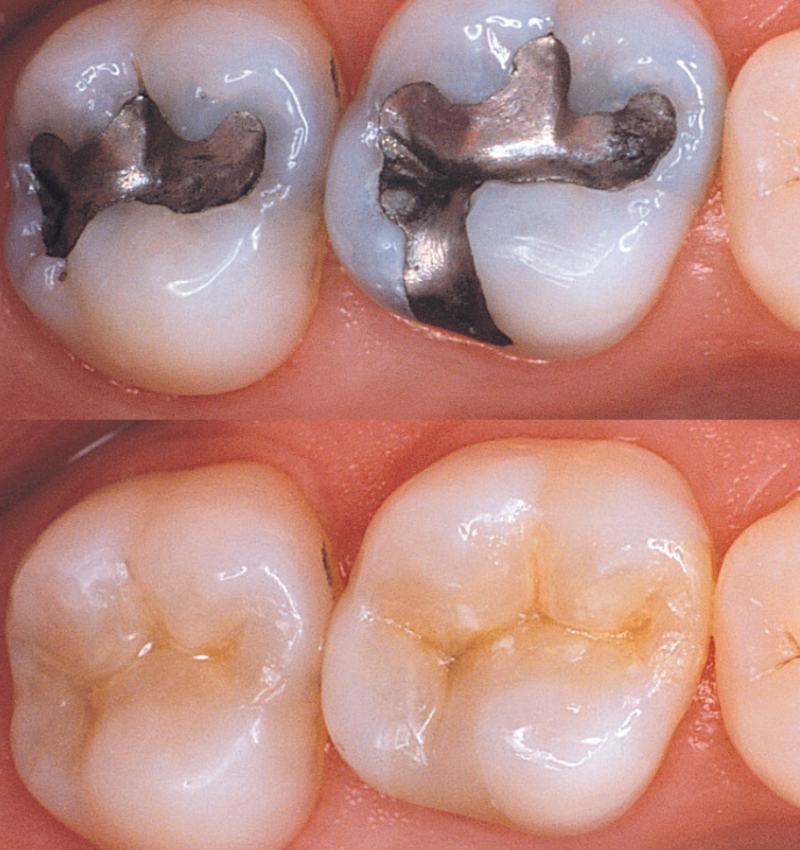
We use composite and porcelain materials for seamless results.
Advanced techniques ensure a comfortable experience.
Our high-quality materials provide strength and longevity.
Personalized care to meet your unique dental needs.
With proper care, composite fillings can last 5-10 years, while porcelain or gold fillings may last 15 years or more. Regular dental checkups help maintain their longevity.
No! We use local anesthesia to ensure a completely pain-free procedure. You may feel slight pressure, but no pain.
We generally recommend a professional cleaning every six months to maintain optimal oral health. However, some patients with a higher risk of gum disease may benefit from more frequent cleanings.
Maintain good oral hygiene—brush twice daily, floss regularly, and schedule routine dental visits. Avoid chewing on hard foods like ice or candies to prevent damage.
Untreated cavities can worsen over time, leading to infections, pain, and even tooth loss. Early treatment with a simple filling can prevent costly and complex procedures like root canals or extractions.